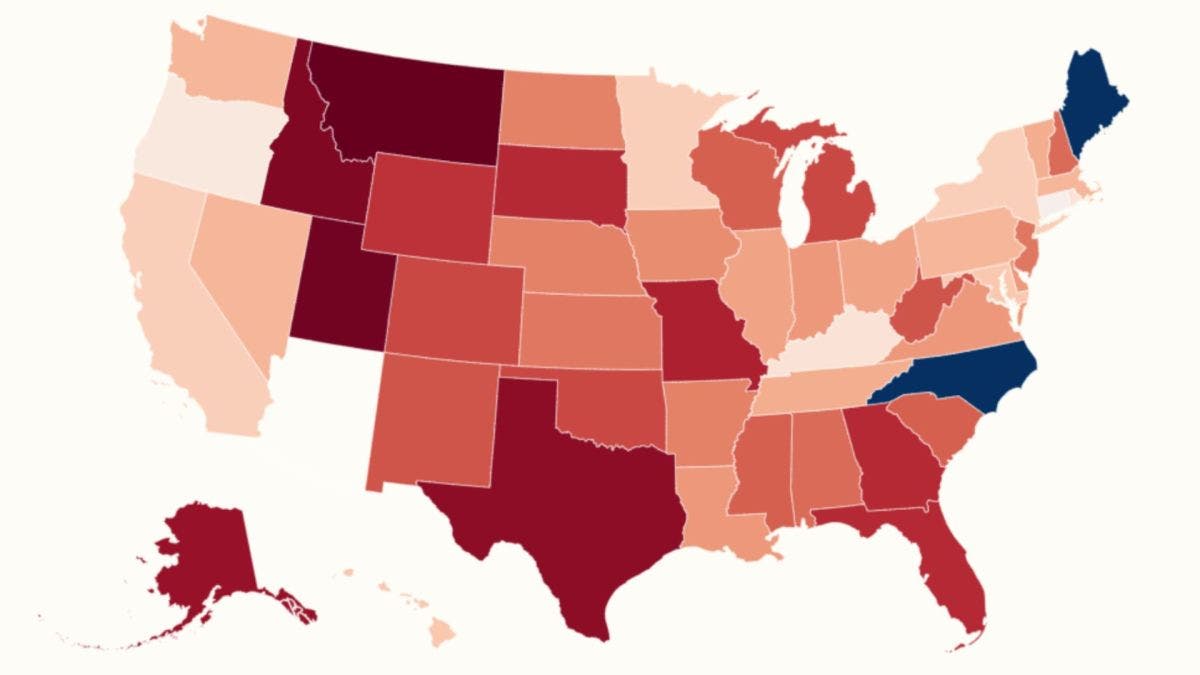
Children across the country are being removed from Medicaid and the Children’s Health Insurance Program (CHIP) as part of an unwinding process happening nationwide in the wake of the COVID-19 pandemic.
In total, just over 6 million children have been removed from Medicaid/CHIP between March 2023 and June 2025, according to data from KFF, a nonprofit health policy research and news organization.
Why It Matters
The majority of American children rely on Medicaid and CHIP in the first 18 years of their life, a study recently revealed, and these high disenrollment figures have raised concern over how this will impact child health outcomes long-term.
Millions more children, and adults, are also expected to lose Medicaid coverage because of new federal policies as well, following the passage of President Donald Trump’s ‘One Big Beautiful Bill,’ according to Congressional Budget Office (CBO) forecasts.
What To Know
During the COVID-19 pandemic, some states expanded Medicaid coverage under the Affordable Care Act (ACA) to help more Americans gain access to healthcare, at a time that was considered a public health emergency.
This inevitably caused nationwide enrollment levels to increase, and they remained elevated throughout February 2020 to March 2023 as federal rules forced states to keep most Medicaid enrollees on the program, even if their eligibility status changed, until March 2023.
After that point, states were allowed to start rolling recipients off Medicaid/CHIP, resulting in nationwide reductions in enrollment —although two states have not yet seen reductions.
Maine and North Carolina have continued to see increases in child enrollment in Medicaid/CHIP despite the unwinding process taking place, both with increases of 2 percent between March 2023 and June 2025.
However, all other states have been drops in enrollment to varying degrees, with some seeing more than one quarter of recipients removed from the programs.
These states include Montana, where child enrollment decreased by 30 percent in the time period, Utah (29 percent reduction), Texas (27 percent reduction) and Alaska (26 percent reduction).
Arizona is omitted because child and adult enrollment data for are unavailable for some months
The reason for the difference in the rate of enrollment between states is because some state and local governments have
Map Shows States Where Children Are Being Removed From Health Care Plan