CLEVELAND, Ohio – When Carolyn Haeler started baking gluten-free cookies, she wasn’t trying to launch a national brand. She was trying to solve a very personal problem.
Diagnosed with celiac disease while working long hours in finance, Haeler found herself navigating a food landscape that suddenly felt hostile. Gluten-free options existed, but most were disappointing — gritty, dry or overly processed.
One afternoon, after spending $10 on a bag of cookies she couldn’t stomach, she reached a breaking point.
“That was the moment,” Haeler said. “I realized there had to be something better.”
That moment became the foundation of Mightylicious, the gluten-free cookie company Haeler founded in 2017 and now leads as CEO. What began as frustration turned into months of obsessive recipe testing, as she worked to recreate the comfort and nostalgia of a great cookie — without wheat, preservatives or compromise.
Haeler didn’t come from a culinary background. She studied economics and studio art, earned an MBA from Yale and spent years in public sector consulting and finance. Baking had always been a hobby, a way to decompress. But when she turned her focus to gluten-free cookies, she quickly learned the chemistry was entirely different.
“The standard equation for a cookie just doesn’t work without wheat flour,” she said. “I had to build everything from scratch.”
Through trial and error, Haeler developed recipes that delivered the texture and flavor she missed most. Early taste-testers included people without food allergies — an important benchmark for her.
From the beginning, she wanted Mightylicious to be a brand everyone could enjoy, not a separate “free-from” product relegated to a niche shelf.
“I didn’t want two sets of groceries — one for me and one for everyone else,” she said. “I wanted one cookie that made everyone happy.”
That philosophy shaped not only the cookies, but the brand itself. Mightylicious was designed to feel playful, inclusive and unintimidating — a sharp contrast to the clinical look common in allergy-friendly foods.
Central to that identity is Charlie, the company’s unicorn mascot. Charlie, a non-binary unicorn flashing a peace sign, was intentionally created to be gender-neutral and universally appealing.
Haeler wanted a character that felt joyful and approachable, something that would make people smile before they even tasted the product.
Unicorns, she noted, are timeless and symbolic of childhood magic — and unlike real animals, they don’t carry environmental or cultural baggage.
“A cookie should make you smile,” Haeler said. “That’s its job.”
Charlie’s presence reflects Haeler’s belief that food, especially treats, should feel comforting and emotionally satisfying — particularly for people whose dietary restrictions often make them feel excluded.
The mascot isn’t just branding; it’s an extension of her lived experience with celiac disease and her determination to bring joy back into eating.
That same thoughtfulness extends to how Mightylicious cookies are packaged. Each bag contains individually wrapped cookies, a choice Haeler made with convenience and safety in mind.
The packaging allows customers to toss a cookie into a purse, briefcase or lunchbox without worrying about crumbs, breakage or cross-contamination — a concern that looms large for those with celiac disease.
It also helps preserve freshness, letting people enjoy the cookies over time rather than all at once.
For Haeler, it was another way to design the product around real life, not just the shelf.
That attention to detail helped Mightylicious stand out.
The company gained early momentum after Haeler personally walked her cookies into a Manhattan Whole Foods, leading to placement through the retailer’s local forager program. From there, the brand expanded across regions and into national retailers, while also building a strong direct-to-consumer business online.
Today, Mightylicious offers seven cookie varieties, including several vegan options, and ships to all 50 states. While gluten-free customers remain a core audience, Haeler says many of her most loyal buyers don’t have food allergies at all.
In addition to cookies, Mightylicious offers gluten-free flour blends and a brownie mix, allowing home bakers to recreate the same quality and flavor in their own kitchens. The expansion reflects Haeler’s goal of building a lifestyle brand rooted in accessibility, taste and trust.
Mightylicious products are sold through major retailers nationwide, as well as online. Customers can order cookies and baking mixes through Amazon or directly from the company’s website, where Mightylicious ships to all 50 states. The direct-to-consumer option has helped the brand reach customers in areas where specialty gluten-free products can be harder to find.
“The best feedback I get is when someone tells me they bought the cookies for themselves, and someone else in the house ate them all,” she said.
Looking ahead, Haeler envisions Mightylicious as more than a cookie company. She hopes to expand into additional grocery categories and grow the brand into a lifestyle name built on trust, quality and joy.
For her, success isn’t about chasing trends — it’s about staying grounded in the moment that started it all.
“I just needed a cookie,” she said. “And I didn’t want to settle.”
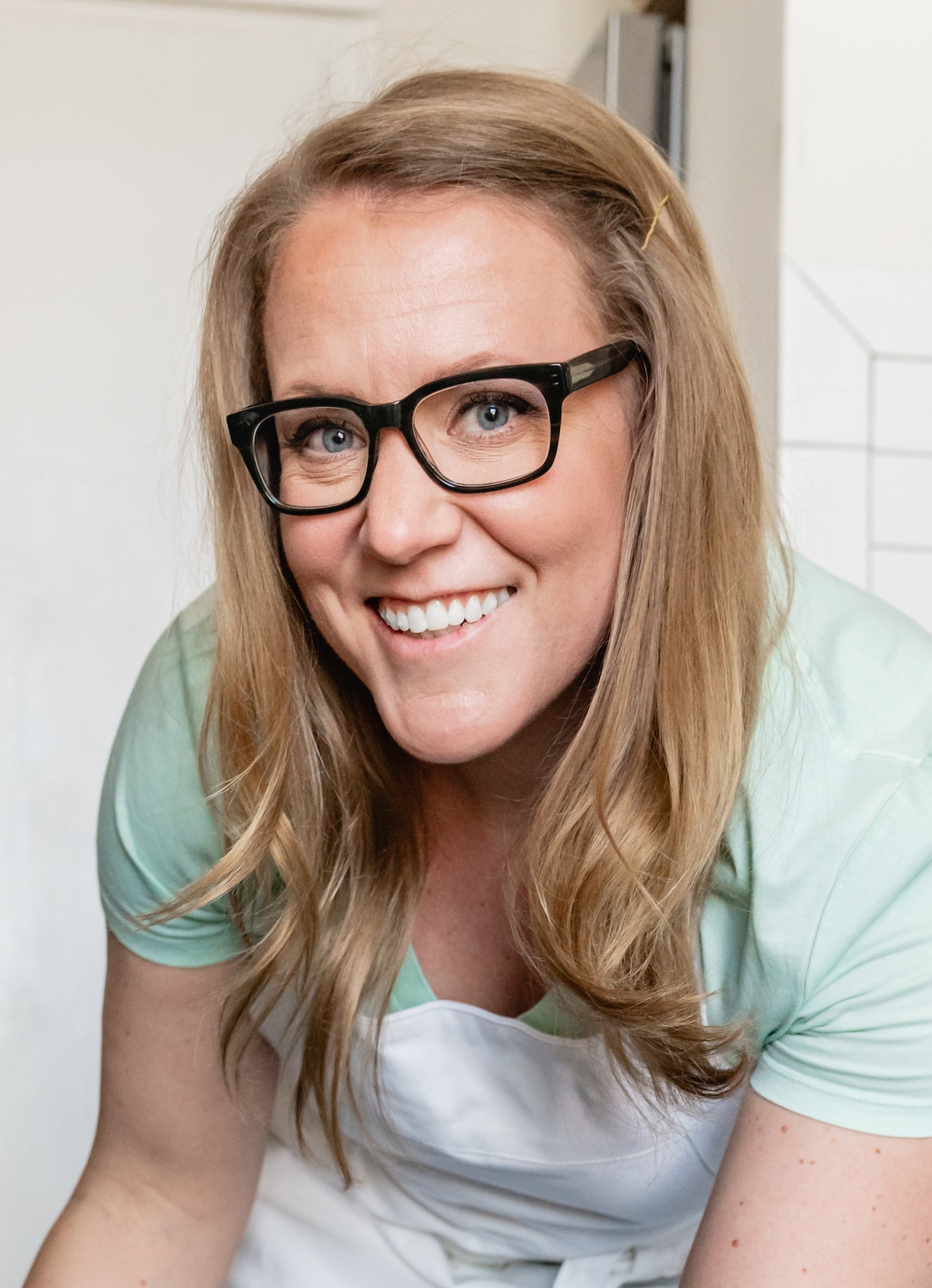
Mightylicious founder Carolyn Haeler builds a gluten-free brand without compromise


RELATED ARTICLES