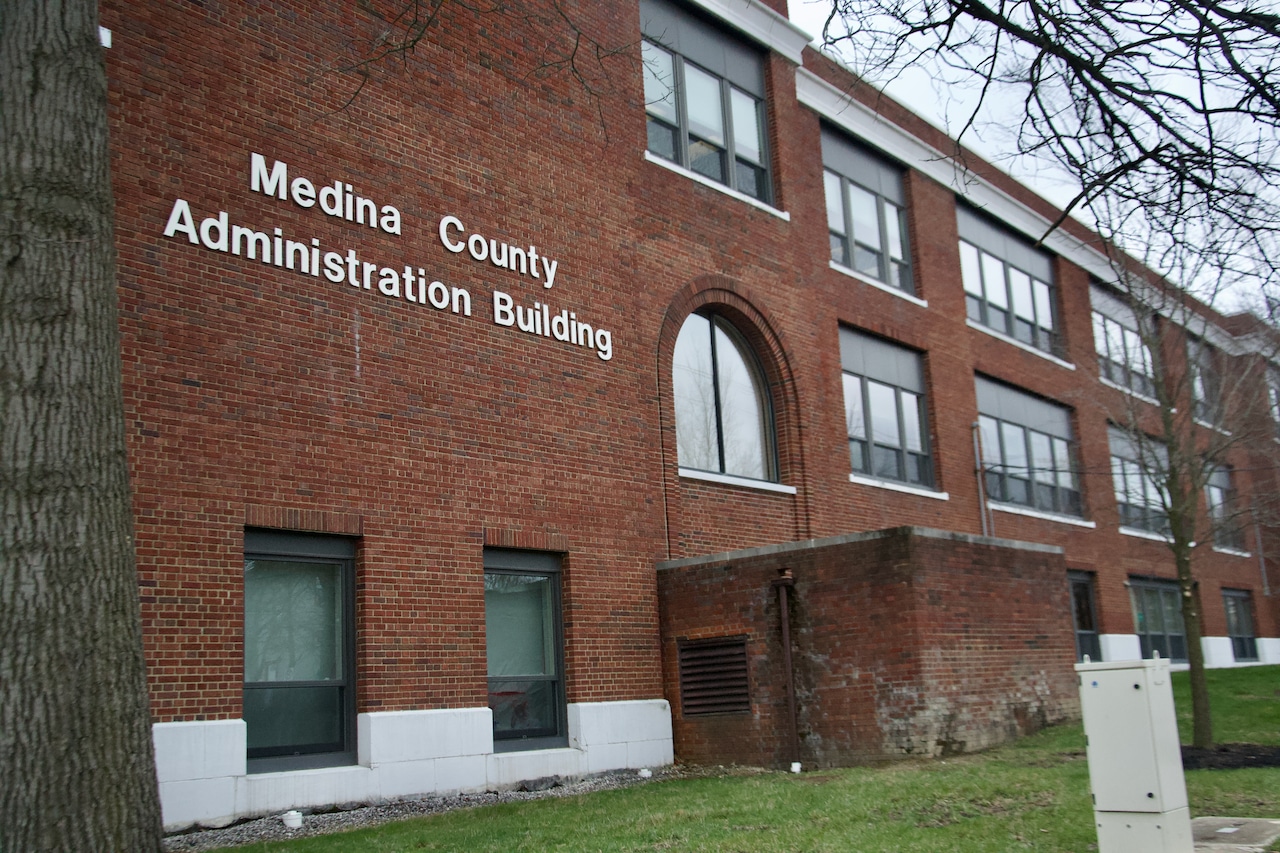
MEDINA, Ohio — Ohio Auditor of State Keith Faber’s office on Tuesday released a sweeping audit of Medina County’s 2024 finances, identifying multiple weaknesses in internal controls.
Still, the county received an overall clean opinion on its financial statements.
The audit’s most visible finding involves $12,089.16 in insurance premiums and claims paid on behalf of former county employees, which auditors said occurred because the county auditor’s office failed to notify Guardian Life Insurance Company in a timely manner when employees left service.
Auditors called the lapse a negligence issue within Auditor Anthony Capretta’s office and issued a Finding for Recovery, though Guardian has since reimbursed the full amount.
But the report released Tuesday details more far‑reaching control problems inside county operations — issues that have not been part of the ongoing political dispute at the county courthouse.
Material Weakness in Financial Reporting
Beyond the benefit‑payment problem, auditors found a material weakness — the most serious category of internal‑control failure — tied to how the county recorded federal ARPA expenditures.
Auditors concluded county accounting staff overstated contracts payable and human services spending by $635,525 in the county’s Local Fiscal Recovery Fund, part of the federal American Rescue Plan Act. That error also caused “equal and offsetting” misstatements to unearned revenue and intergovernmental revenue.
In addition, auditors identified other uncorrected errors across county funds ranging from $66,300 to $736,236 — enough that they were elevated to management’s attention even if they didn’t individually merit their own finding.
The county’s corrective‑action plan says it will change how invoices are coded and begin using a new contract module in its ERP system starting with the 2026 audit cycle.
Major Federal Program Failure: Transit Procurement and Debarment Checks
The audit also issued a material weakness and noncompliance finding for the county’s use of federal transit funds — the only major federal program that did not receive a clean compliance opinion.
Auditors reported that the county failed to perform required SAM.gov suspension and debarment checks for three vendors paid more than $25,000, meaning the county could not demonstrate those contractors were eligible to receive federal dollars.
They also found the county failed to maintain adequate procurement documentation in 24 of 27 transactions, including missing records of procurement method, pricing rationale, and contractor selection. Those omissions violate both federal rules and the county transit department’s own policies.
The lack of documentation led to a qualified opinion for the Federal Transit Cluster, meaning auditors could not conclude the county complied with all federal requirements in that program. All other major federal programs — including Social Services, Foster Care, ARPA funding, and Medicaid — received unmodified, or clean, opinions.
In its response, the county said it has already begun implementing changes, including:
Required SAM.gov checks before signing contracts
A standardized procurement checklist
Mandatory supervisory review before any federally funded purchase
Additional staff training
The county expects the changes to be fully implemented by March 31.
Political Backdrop
The audit’s release follows weeks of public criticism between Capretta and Commissioner Steve Hambley, who earlier accused the state of delaying publication of the findings. Hambley said voters “deserve to see that final audit,” while Capretta said Hambley was “playing politics” and noted the commissioner’s ties to his primary challenger.
Faber on Tuesday emphasized his office’s role in helping the county recover the improper insurance payments and said his office “has a long history of working collaboratively” with Medina County.
Overall Opinion
Despite the control failures, the county earned an unmodified, or clean, opinion on its financial statements — meaning the books are materially accurate — while auditors stressed that internal‑control issues still need correction.
County leaders say they expect the corrective‑action plans now underway will resolve each finding.
Long-awaited Medina County audit that flagged insurance errors is released