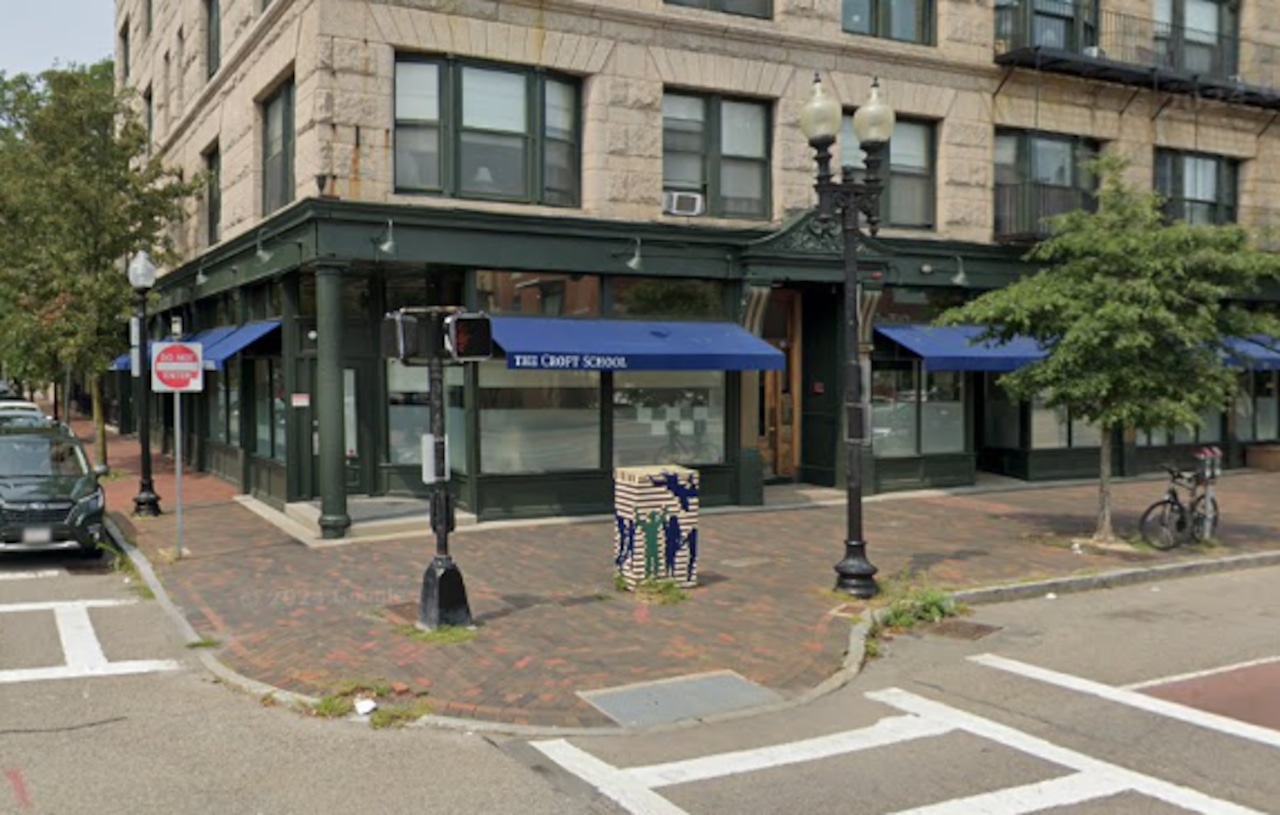
A parent of students at a Jamaica Plain private school is suing the school’s founder, claiming he ran a Ponzi scheme that solicited loans from families to fund construction projects at the school.
Scott Given, founder and executive director of the Croft School, has been accused of forging bank documents and keeping two sets of books to hide $13 million in debt for years. In the lawsuit, Paul Crockett, whose children attend the school’s Jamaica Plain campus, said he loaned the school $160,000 after Given falsely said Croft was on sound financial footing.
Crockett agreed to loan money after Given introduced what he called “Croft Bonds,” which he told families would be repaid in full, plus 12.5% interest. The bonds were intended to help finance the construction of new fifth- and sixth-grade classrooms and an expanded outdoor play area at Croft’s Jamaica Plain campus.
“Given told parents, including Crockett, that the school had considered traditional bank funding for expansion projects, but that Given wanted to offer parents of students an opportunity to invest personally and make a profit, in a ‘win-win’ transaction,” Crockett’s attorneys wrote in the lawsuit, filed in Norfolk Superior Court on March 20.
The school also has locations in the South End and Providence, Rhode Island.
Given first solicited money from Jamaica Plain parents in the form of Croft Bonds in August 2024, according to the lawsuit. He wrote in an email at the time that interested families could contribute between $100 and $250,000, receiving interest paid annually, and receive the full amount back at the end of the loan’s four-year term.
He wrote that the school was hoping to raise up to $1 million through the Croft Bonds and would finance the remaining approximately $1 million for the construction projects through traditional bank loans.
Given told families that Croft had a “financial support fund” that never dropped below $4 million and would be used to support the bonds. He later elaborated in an email to Crockett that this fund was backed by “15 high net worth individuals” with “long-term commitments” to contribute annually, and any money taken from the fund each year is replenished by those contributions.
The Croft Bonds would also be “senior debt,” meaning repayment would take priority over any other debt the school held.
“In a worst-case scenario (which is not at all anticipated) whereby Croft did not have the funds in its operating and capital accounts to repay the loan at maturity, the source of the repayment would be the cash in our financial support fund,” Given wrote in his initial email to parents.
He also provided financial statements showing approximately $4.6 million in debt, alongside $4.6 million in the financial support fund.
The school founder later told Crockett over email that over 40 families had expressed interest in Croft Bonds and that if they did not cap the initiative at $1 million, they would have raised between $2 and $2.5 million.
Crockett initially agreed to loan $120,000 to the school. However, the following September, Given sent a financial update to the households that had provided loans, saying he hoped to increase the amount of Croft Bonds from $1.2 million to $1.4 million, and Crockett offered another $40,000.
“It’s great to see Croft in such a strong position, with both the operating performance and the support fund looking solid,” Crockett wrote in an email to Given. “I am inclined to expand my current bond position a bit, as I continue to see this as a true win-win investment.”
However, in the lawsuit, Crockett’s attorneys wrote that it was clear “Croft’s finances are not what they were represented to be.” They claimed that Given had issued Croft Bonds to almost 50 families, totaling millions of dollars, well beyond $1.4 million.
In addition, they wrote that Given had solicited the second round of Croft Bonds to fund interest payments from the first round, “in the style of a classic Ponzi scheme.”
Neither Croft or Given’s attorney immediately responded to a request for comment Monday morning.
The lawsuit is the second accusing Given of financial fraud this month. In the first, which also names the school as a defendant, real estate company 1421 Washington Associates LLC accused him of forging a $500,000 letter of credit to secure a lease for a space on Washington Street where he intended to expand Croft’s South End campus.
Croft backed out of the expansion plans due to outrage from neighbors, who were dismayed that the building’s current occupant, Foodie’s Market, was closing, though the closure was unrelated to the school’s plans. The landlord group argued in their lawsuit that by pulling out, Croft had violated its lease.
Given admitted his financial coverups to Croft’s board of directors after a manager of Washington Associates attempted to cash the letter of credit he had provided and learned it was a fake, the board told families in a letter last week. Given was suspended from his position on March 7.
The board of directors wrote in the letter that after suspending Given on March 7, they took steps to secure the school’s finances. After paying employees with what little cash was left in Croft’s accounts and securing a $400,000 “capital contribution” from an undisclosed source, the school was left with about $448,000, enough to cover payroll for the rest of the month.
A spokesperson for Croft said Monday that parents and the board are searching for other funding sources. The board said previously that they would need $5 million to finish out the school year.
Croft School founder accused of running Ponzi scheme in lawsuit