As the year comes to a close, student loan borrowers continue to face unprecedented upheaval. And major new updates announced by the Education Department just within the last few weeks could impact millions of Americans with federal student loans in 2026.
The most significant changes for borrowers will impact their repayment options. While one federal student loan repayment plan is expanding, another one is formally being eliminated, while yet another program is expected to launch later next year. Simultaneously, the Education Department appears to have resumed processing student loan forgiveness under certain repayment plans, but not all. And finally, some borrowers in default on their federal student loans will be forced to make payments directly out of their paycheck, potentially in just a matter of weeks.
Here’s a breakdown of the biggest recent updates for student loans that borrowers should be aware of.
Borrowers With Student Loans In SAVE Plan Will Need To Switch
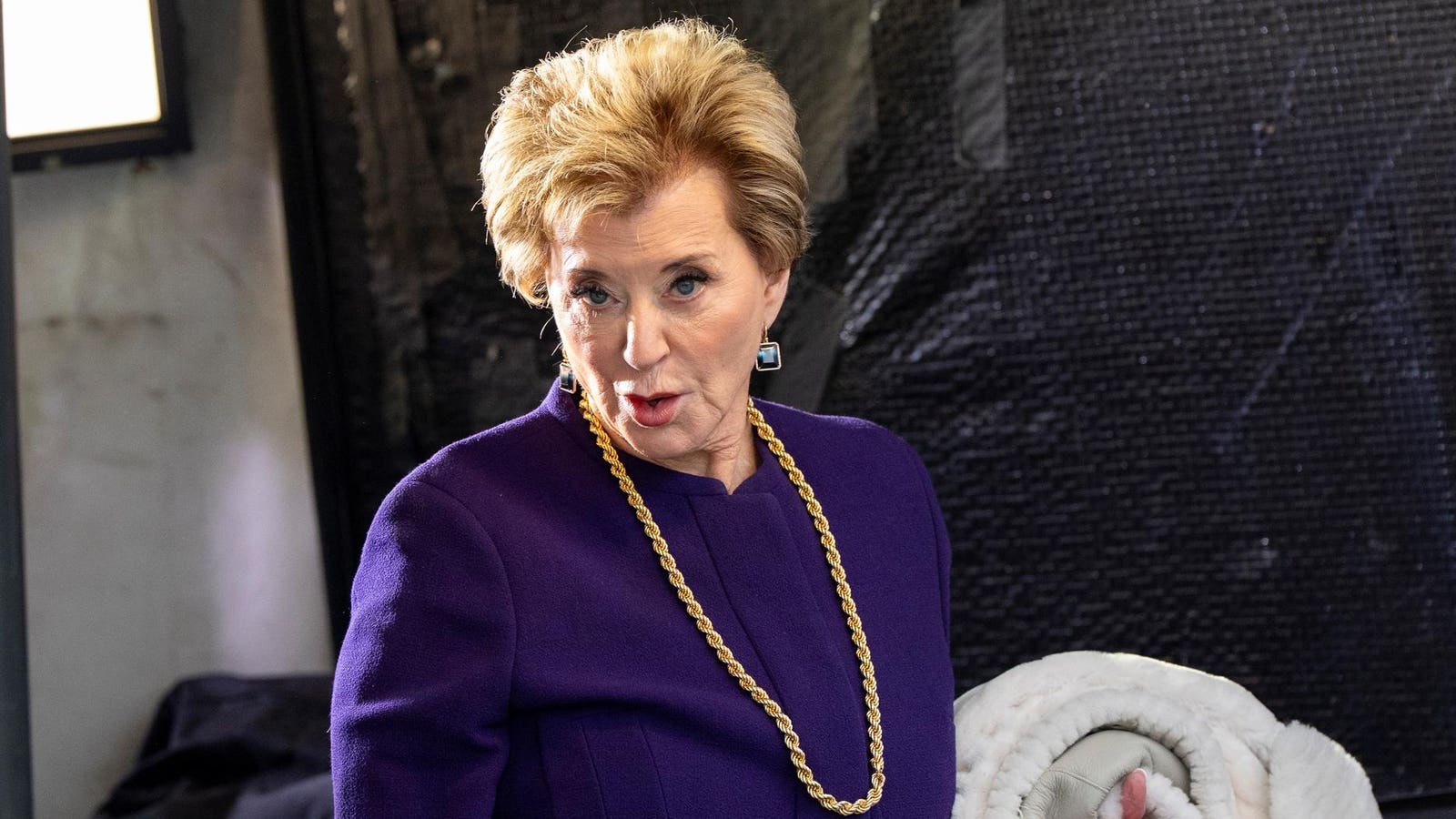
Earlier this month, the Education Department and the Secretary of Education, Linda McMahon, announced that the SAVE plan is officially coming to an end as a result of a settlement agreement between the department and a group of Republican-led states, spearheaded by Missouri, that had challenged the program.
SAVE was already essentially on its deathbed for much of 2025. The program has been frozen for more than a year after a federal appeals court issued an injunction blocking the department from implementing it, and the Trump administration showed no interest in continuing to defend against legal challenges to the program. Then, Congress passed the One Big, Beautiful Bill Act (or “OBBBA”) over the summer that would have sunsetted the SAVE plan by mid-2028. The Education Department’s settlement agreement with Missouri and the other GOP-led states is effectively the nail in the coffin for the program, although the agreement is still pending court approval.
MORE FOR YOU
“In short, even if the Department of Education intended to defend the Final Rule at issue in this case, the government’s core arguments have now been rejected by the Eighth Circuit, in a precedential opinion of which Defendants did not seek further review,” said the parties in a joint motion to the court earlier in December. “In addition, recent legislation has significantly altered the regulatory regime surrounding student-loan repayment plans. Under these circumstances, further litigation on the merits would likely not serve any useful purpose. All parties thus agree that entry of a final judgment, consistent with this Court’s and the Eighth Circuit’s orders, is therefore warranted.”
The settlement agreement essentially means that the more than seven million borrowers with student loans enrolled in the SAVE plan will need to change to a different repayment plan in the coming months. The only question is when. There is speculation that the Education Department will start pushing student loan borrowers out of SAVE soon, during the first half of 2026. That would coincide with the department’s anticipated launch of the new Repayment Assistance Plan, or RAP, next summer, although some advocacy groups have warned that RAP is essentially a “debt trap.”
IBR Plan For Federal Student Loans Is Expanded
In some better news for borrowers, the Education Department announced last week that it had completed system updates to effectuate the expansion of the IBR plan. IBR is the only current income-driven repayment plan that will ultimately be preserved under the OBBBA. In addition to SAVE being eliminated, the OBBBA will phase out the PAYE and ICR plans by 2028, as well. That means borrowers in one of the sunsetting plans will ultimately need to switch to either IBR or RAP.
The problem, however, is that IBR plan rules had prevented higher income earners and borrowers with smaller student loan balances from enrolling in the program due to a “partial financial hardship” rule. The OBBBA eliminated this rule to facilitate the transition of borrowers with student loans in the SAVE, PAYE, and ICR plans to the IBR plan, particularly so borrowers could continue pursuing eventual student loan forgiveness. But the Education Department took months to update their systems. That resulted in some borrowers getting rejected from IBR, with no viable pathway to resuming progress toward loan forgiveness.
Last week, the department announced that it had finally updated its systems to remove the partial financial hardship requirement for the IBR plan. That means there is no longer any income barrier to enrolling.
“Prior to OBBBA, borrowers were required to have partial financial hardship in order to be eligible to enroll in the IBR Plan,” said the department in an online update last week. “OBBBA removes that requirement. On Dec. 22, 2025, we updated our systems to implement this update.”
The department indicated that borrowers with eligible student loans who were previously rejected for IBR, or otherwise could not apply because of the partial financial hardship rule, should reapply. Payments will be capped under IBR at the equivalent of the 10-year Standard plan based on the balance of the borrower’s eligible federal student loans and their interest rate.
Student Loan Forgiveness Partially Resumes For Student Loans In IDR Plans
Another significant update for borrowers is that the Education Department has officially resumed processing student loan forgiveness on 20- or 25-year terms for income-driven repayment plans. But not under all IDR plans.
According to a status report the department filed in court earlier in December, student loan forgiveness under IBR has officially restarted after a lengthy processing pause that triggered an expanded legal challenge. Unlike other income-driven plans, IBR student loan forgiveness is not subject to any lawsuit or court order, and courts have reaffirmed the legality of loan forgiveness for student loans enrolled in the IBR plan. The department approved 170 borrowers for IBR loan forgiveness during the month of November, according to the December filing.
But the department had also committed in a formal agreement this fall to restarting student loan forgiveness processing for borrowers with student loans in the ICR and PAYE plans, as well. The court filing indicates that no such borrowers received student loan forgiveness under those plans in November. The department indicated that it is still updating its systems, and expects to being processing student loan forgiveness for ICR and PAYE in early 2026.
“ED is working on the programming for the other IDR plans, and anticipates that starting in February 2026, NSLDS will check eligibility on a regular basis (every other month),” said the department in the status report filing. NSLDS stands for the “National Student Loan Data System,” and is the department’s main database for federal student loans.
Wage Garnishment For Student Loans Begins Soon
4 Big Updates For Student Loans Will Massively Impact 2026 Repayment


RELATED ARTICLES