For years, loyalty programs have trained consumers to think about rewards in narrow lanes: travel here, dining there, cash back everywhere else. Bilt has always challenged that framing, starting with a simple but radical idea—why shouldn’t the largest monthly expense in most people’s lives, rent, earn rewards?
Now, with the relaunch of its co-branded credit card suite, Bilt is making an even bolder statement: loyalty shouldn’t orbit around airlines or banks first. It should start at home.
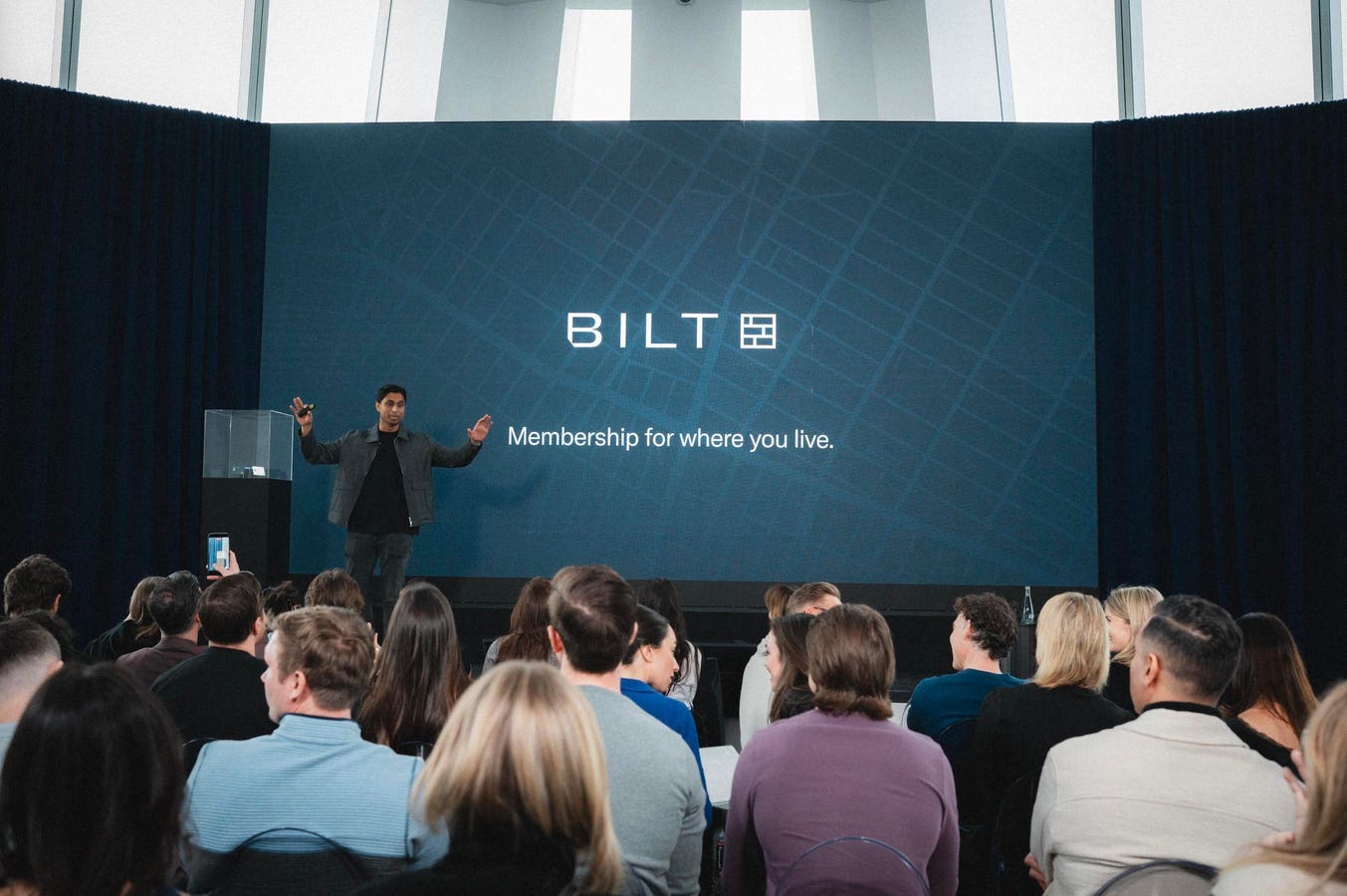
“We started with rewards on rent, but today Bilt is really about building a membership around your home and your neighborhood,” says Ankur Jain, co-founder of Bilt. “The cards are just one part of a much bigger ecosystem.”
The Richest Rewards—Where It Matters Most
At its core, Bilt’s newly revamped suite of cards is designed to turn everyday housing costs into loyalty currency. For the first time, members can earn rewards not just on rent, but also on mortgage payments—without transaction fees. That alone distinguishes Bilt in a crowded credit card market where fees and fine print often erode perceived value.
But Bilt didn’t stop there. The new card structure delivers a rare dual benefit: members earn both transferable points—redeemable for airlines, hotels, and travel partners—and Bilt Cash, which can be used dollar-for-dollar within Bilt’s growing ecosystem.
“This is the only card offering in the market that gives you both transferable points and cash back at the same time,” Jain explains. “And you can use that cash back however you want in the Bilt ecosystem—whether that’s toward rent, neighborhood experiences, or other services.”
For premium cardholders, the economics are even more aggressive. Bilt’s top-tier Palladium card, the flagship of the three-card lineup, carries a $495 annual fee—well below the $795 to $1,000 range that has become standard among ultra-premium cards. In return, members receive a package of travel, hotel, and Bilt Cash credits that can exceed $1,400 in value in the first year alone.
“My job isn’t to tell customers what card they should carry,” Jain says. “But when you look at the value stack—rent and mortgage rewards, everyday spend, and meaningful credits—it’s hard to find another premium card that offers anything close.”
A 10% APR That Reframes The Credit Conversation
Perhaps the most unexpected move, however, isn’t about rewards at all—it’s about affordability.
In a climate where bipartisan calls have intensified around capping credit card interest rates, Bilt is stepping directly into the debate. For the next 12 months, all new purchases on the relaunched co-branded cards will carry a 10% APR.
“No one else has done this,” Jain says. “In light of the affordability conversation happening right now, we felt it was important to lead.”
The timing is notable. President Trump’s renewed focus on credit card interest rates has put consumer debt back in the national spotlight. While many issuers are watching cautiously from the sidelines, Bilt is using its card portfolio to make a statement: loyalty shouldn’t come at the expense of financial health.
The result is a lineup of cards that doesn’t just reward spending—but attempts to responsibly shape it.
Hyperlocal As The New Loyalty Frontier
What truly differentiates Bilt, though, is not the cards themselves—it’s the platform underneath them.
Bilt now serves more than 5.5 million homes across the U.S., connecting residents to over 45,000 local merchants through a unified system that spans leasing, payments, amenities, and neighborhood commerce. About 15% of Bilt members already use a Bilt card, a penetration rate that’s poised to grow as the value proposition expands to homeowners.
“We think of Bilt as the anchor point for local commerce,” Jain says. “In the same way Shopify powers online commerce, Bilt powers neighborhood commerce—starting from where people live.”
That hyperlocal foundation creates a different kind of loyalty flywheel. Consumers don’t just earn points; they experience a connected journey—from rent payments to restaurant reservations to neighborhood services—all within one ecosystem.
It also unlocks something loyalty programs increasingly struggle to earn: trust.
“Members are willing to share zero-party data with us because we’re delivering real value in their everyday lives,” Jain notes. “That trust allows us to do more.”
From Rewards To Action: The Concierge Layer
That “more” is beginning to take shape through Bilt’s emerging concierge service—an AI-enabled offering that goes beyond recommendations and actually takes action.
Because Bilt directly integrates with property management systems, restaurants, and local service providers, its concierge can book reservations, pay bills, schedule maintenance, arrange gym sessions, and even manage travel using a member’s rewards.
“Everyone else can give you information,” Jain says. “We can actually do things for you.”
It’s a subtle but profound shift. While banks and card issuers have spent heavily trying—and largely failing—to make concierge services relevant, Bilt’s advantage lies in infrastructure, not marketing. It doesn’t just sit on top of transactions; it powers the systems behind them.
Loyalty That Grows With You
Perhaps most compelling is Bilt’s long-term vision. The platform now spans student housing, rentals, and homeownership, following members through life stages rather than forcing them to start over with each new product.
With authorized user features across the card suite that allow parents to help children build credit responsibly starting at age 13, Bilt is positioning itself not as a card—but as a lifelong membership anchored in home.
“We start where you live,” Jain says. “And from there, everything else connects.”
In a loyalty landscape obsessed with miles, multipliers, and metal cards, Bilt’s relaunch feels like a reset—one that reframes rewards around real life, real neighborhoods, and real financial impact.
And that may be the most valuable currency of all as Bilt leans into affordability.
Bilt’s Innovates On Neighborhood And 10% Cap On New Credit Cards


RELATED ARTICLES