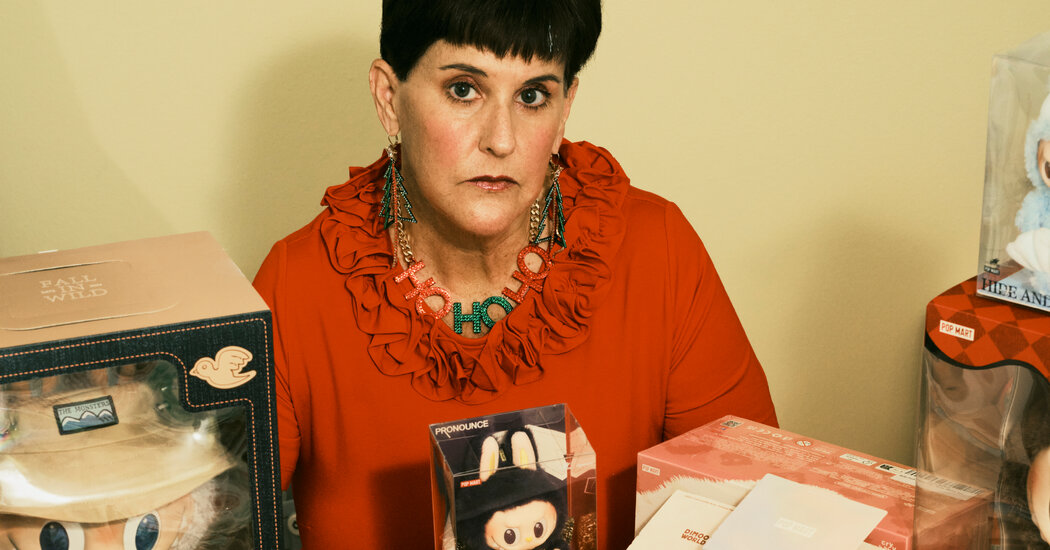
Holiday sales can put Kristen Conti in a good mood. Whether it’s a bargain on home décor, designer shoes or a new purse, Ms. Conti, 60, said shopping makes her feel happy and alive.
“Black Friday is a killer for me; it’s like my Super Bowl,” she said.
A real estate agent in Englewood, Fla., Ms. Conti usually takes the day after Thanksgiving off from work to shop online with her mother. “We make a pot of coffee, put the shopping channels on and overdo it,” she admitted.
This year, however, she’s trying not to spend a dime.
That’s because Ms. Conti has over $50,000 in credit card debt, mostly because of her shopping habit. After spending $800 on Labubu dolls and $500 on Christmas decorations, Ms. Conti sought the help of a therapist.
She is now working hard to pay off her debt and change her habits. To thwart any temptation to shop on Black Friday, Ms. Conti plans to spend the day with her 11-year-old niece. “We’re going to a capybara farm,” she said.
On Black Friday last year, Americans spent $10.8 billion online, according to data from Adobe Analytics. Studies show that the sales incite a sense of urgency — stoking the fear that if you don’t act now, you’ll miss out. With the convenience of one-click purchases, saved payment information and “buy now, pay later” loans, shoppers get the quick dopamine boost before they are able to pause and consider whether the purchases make sense. This can lead to overspending. Many shoppers who went into debt last year are now trying to keep their habit in check.
Christina Mychaskiw, a pharmacist and blogger in Toronto, splurged on a pair of boots that cost more than a month’s rent during a Black Friday sale in 2018. Back then, shopping helped her beat boredom and ease stress.
Thank you for your patience while we verify access. If you are in Reader mode please exit and log into your Times account, or subscribe for all of The Times.
Thank you for your patience while we verify access.
Already a subscriber? Log in.
Want all of The Times? Subscribe.
Black Friday Deals Can Put People in Debt. Here’s How to Manage It.