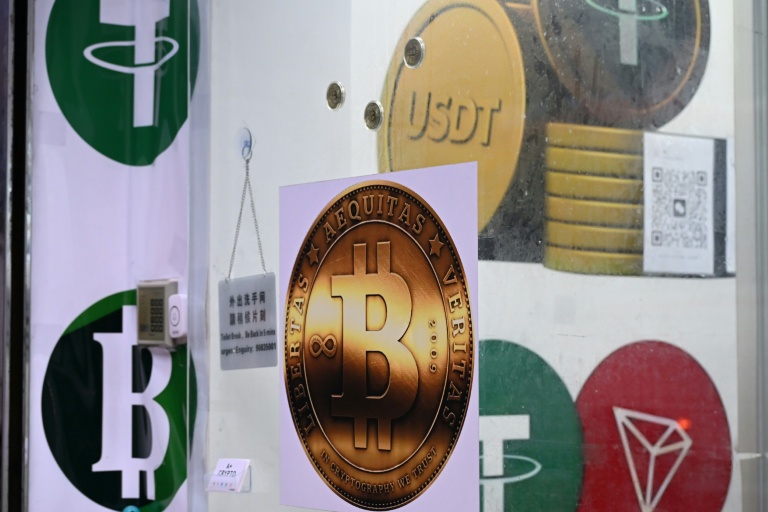
When the first cryptocurrency was introduced in 2009, it aimed to transform the concept of money, eliminating the need for intermediaries such as banks for transactions. At first, the idea was dismissed as impractical and unreliable. Yet, when early adopters began reaping significant profit, people’s perception started to shift. In fear of missing out, many rushed to mining, often without realizing the environmental damage it causes to the planet.
Today, the debate around sustainability is reshaping the industry, forcing crypto miners and investors to seek alternatives. To provide a viable option to this next generation of eco-conscious investors, John Ortmann and his team have launched a new sustainable cryptocurrency, Bitcoin.ℏ.
Cryptocurrencies are decentralized digital assets built on the blockchain. Unlike traditional money, these cryptocurrencies have no centralized authorities, similar to banks, to oversee the operations. Hence, to avoid double-spending, increase security and integrity, cryptocurrencies built consensus protocols to validate transactions. One of them is the Proof of Work (PoW) method. In this, participants are encouraged to solve complex mathematical puzzles to validate transactions on the blockchain in exchange for a tiny fraction of the cryptocurrency as a reward. This computationally intensive process is also known as mining.
Though mining ensures transactions are transparent and accurate, it also causes irreversible environmental damage to the planet. Reports state that in 2023 alone, the most resource-intensive cryptocurrency consumed 154.9 billion kilowatt hours(kWh) of electricity, exceeding the energy consumption of 167 countries combined. This escalating demand for energy has intensified the world’s quest for a sustainable solution.
John Ortmann was among those who were determined to address these challenges. With his team, he was eagerly researching to develop a one-stop solution to address all crypto-related concerns, from energy consumption to transparency and security. In 2024, Ortmann and his team introduced Bitcoin.ℏ as an alternative to traditional cryptocurrencies.
Building Eco-Friendly Finance: How Bitcoin.ℏ Strives to Balance Profitability with Sustainability and Planet Care