Student debt is weighing down many borrowers’ budgets, forcing them to choose between paying down their loans and saving more for retirement.
People with student debt are less likely to feel confident they will be able to save enough to support themselves in retirement, according to Fidelity. The average worker had a 401(k) balance of $144,400 in 2025, Fidelity found, based on data from thousands of employer plans. Yet, the average student loan borrower has saved between $29,000 and $43,000 less than that in their retirement savings.
The average borrower pays about $6,000 per year toward student debt—roughly 7% of the 2024 median household income of $83,730. But the average employee contributes about 9.5% of their yearly income to their 401(k) savings, according to Fidelity data.
Additionally, more borrowers are struggling to repay loans after payments and collections resumed last year and several changes were made to student loan repayment plans.
Deciding Whether to Pay Off Debt or Save
Student debt payments can take up such a large share of a worker’s income that little is left to contribute to a retirement account. Missing loan payments can hurt a borrower’s credit score, and if too many payments are missed, the government may garnish a borrower’s wages.
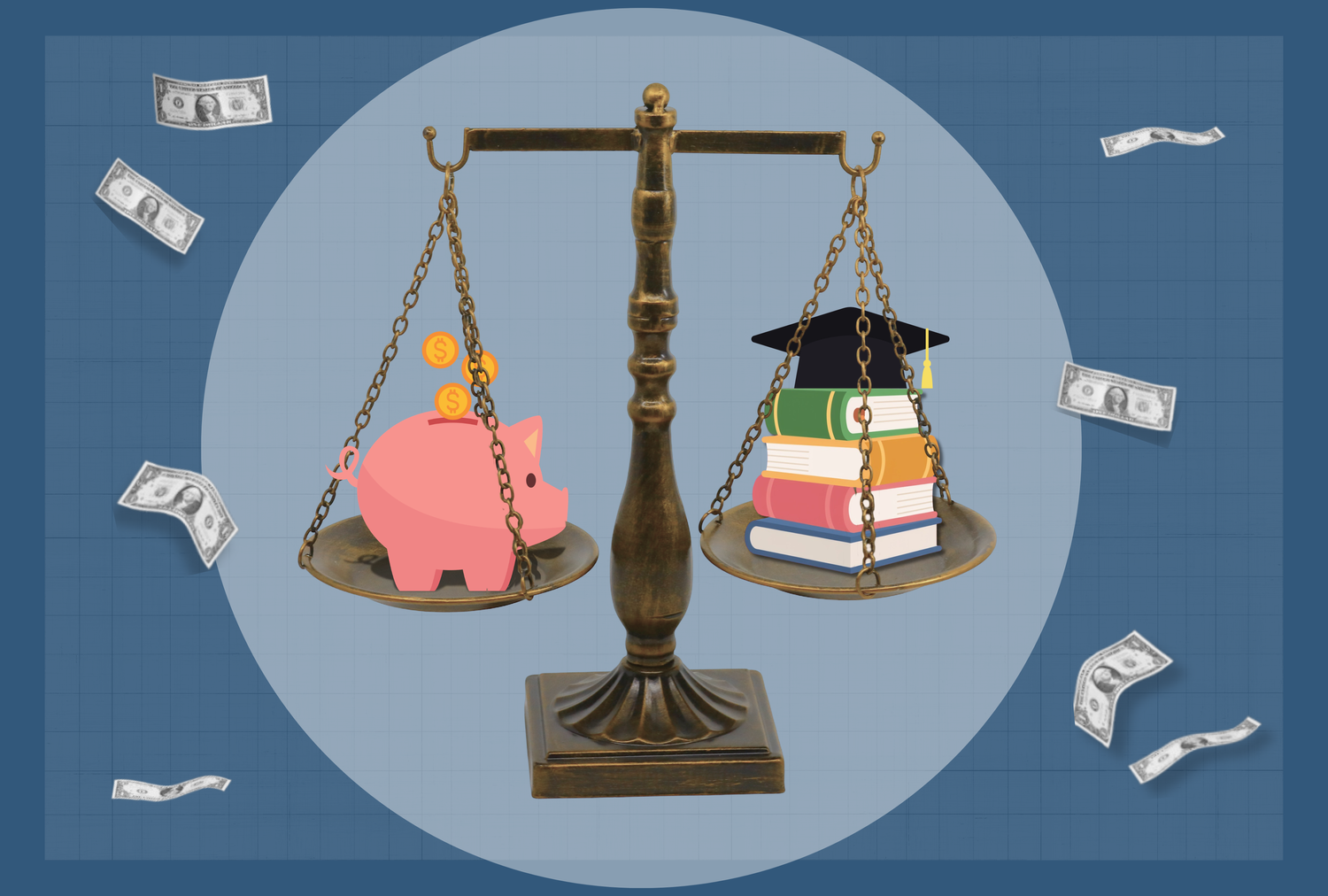
However, if you have money above and beyond your minimum loan payment and necessities, you may be faced with a choice—pay down your student loans or put that money into your retirement account.
Determining whether to prioritize paying down student loans or saving more for retirement often comes down to the interest rate. Student loan interest rates range from 2.75% to 6.8%. The annual return for an average 401(k) retirement account ranges between 5% to 8%, but can be almost as high as 10%.
How Student Loans Are Hurting Your Retirement-And What They Could Cost You


RELATED ARTICLES