

Intel Corp. has reportedly gone cap in hand to Apple Inc. to ask the iPhone maker to consider investing in its struggling chipmaking business, just days after securing a $5 billion commitment from Nvidia Corp.
As part of the investment talks, Intel and Apple officials have reportedly discussed ways in which they can cooperate more closely with one another, anonymous sources told Bloomberg. But the talks remain in their early stages, and no agreement has yet been reached. They could yet end without any deal being made, the report added.
Although neither Intel nor Apple responded to Bloomberg’s request for a comment, Intel’s shareholders reacted positively to the report, and the chipmaker’s stock gained 6% in regular trading today.
Last week, Nvidia revealed that it’s planning to invest $5 billion into Intel in return for a stake of approximately 4% in the chipmaker. As part of that initiative, Nvidia and Intel will collaborate with one another on the development of customized personal computing and data center chips. Most analysts believe that Nvidia got the better part of the deal, which crucially did not involve Intel’s under pressure contract manufacturing business, also known as its chip foundry, making any chips for Nvidia.
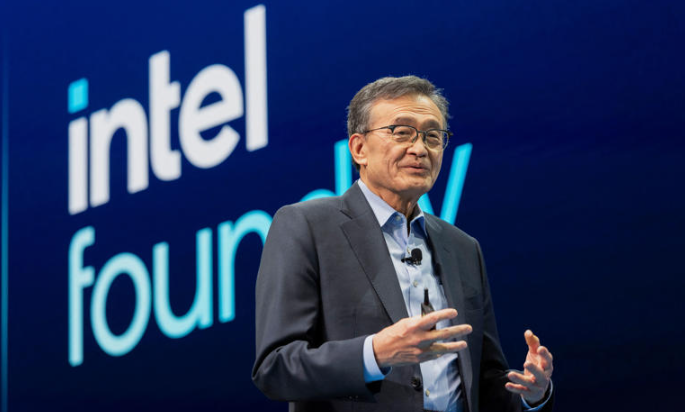
The talks with Apple do not come as a surprise, because Intel Chief Executive Lip-Bu Tan (pictured) has been striving to engage with new partners to help facilitate an ambitious turnaround plan for the ailing chipmaker. Intel was once viewed as the semiconductor industry’s leading light, widely seen as putting the “silicon” in Silicon Valley, but in recent years it has fallen into decline.
The company notably failed to see the emergence of artificial intelligence and is no more than a bit part player in an AI chip industry led by Nvidia, while in the data center server and PC markets, it has lost much market share to rivals like Advanced Micro Devices Inc.
Nvidia’s investment in Intel came just weeks after U.S. President Donald Trump’s White House engineered an extraordinary deal that will see the government invest in the company in return for a 10% stake. The terms of that deal will ensure that Intel receives around $10 billion in funds earmarked for building and expanding its U.S.-based chip manufacturing plants. It’s planning to build several new fabs in Arizona and Ohio, and will also revamp a number of existing chip plants by upgrading them to new manufacturing processes, expanding their production capacity or both.
Last month, Intel announced it had struck another major deal, securing a $2 billion equity investment from SoftBank Group Corp. Investors have reacted positively to these investments, and Intel’s stock has gained more than 40% since the beginning of August.
If Apple does invest in Intel, it would likely be viewed as another vote of confidence in the chipmaker. The iPhone maker was once one of Intel’s biggest customers, but it dropped the company back in 2020 after transitioning to use its own, custom-designed central processing units instead. That was a major blow for Intel, because Apple contracted its rival Taiwan Semiconductor Manufacturing Co. to manufacture its in-house chips.
However, Bloomberg says that the talks with Intel may lead to Apple diversifying its chipmaking supplier base, which suggest that Intel’s floundering foundry business could receive a major boost in the shape of a new, top-tier customer.
Such a move would put Apple in the good books of Trump, who has been pressuring U.S. companies to bring more of their manufacturing operations back to America. Although the majority of Apple’s supply chain remains offshore, it has pledged to invest $600 billion in various initiatives that would expand U.S. manufacturing. At the same time, a deal with Intel could be a good strategic move, as a diversified manufacturing base would help Apple offset the geopolitical risks of relying on Taiwan, which has a tense relationship with China.
Asked by Reuters if the Trump administration had any role in setting up the talks between Apple and Intel, White House spokesperson Kush Desai stressed that the government does not involve itself in the chipmaker’s day-to-day operations, despite being a major shareholder. “The taxpayer has an equity stake in Intel succeeding, and the Administration supports iconic American companies like Intel doing what’s best to cement American tech dominance,” he said.
The Bloomberg report also mentions that Intel has reached out to other major companies about investments and partnerships as it strives to bring in more clients for its chip fab business, which analysts say remains key to its future.
Photo: Intel
Report: Intel in talks with Apple over potential investment and chip manufacturing deal


RELATED ARTICLES
