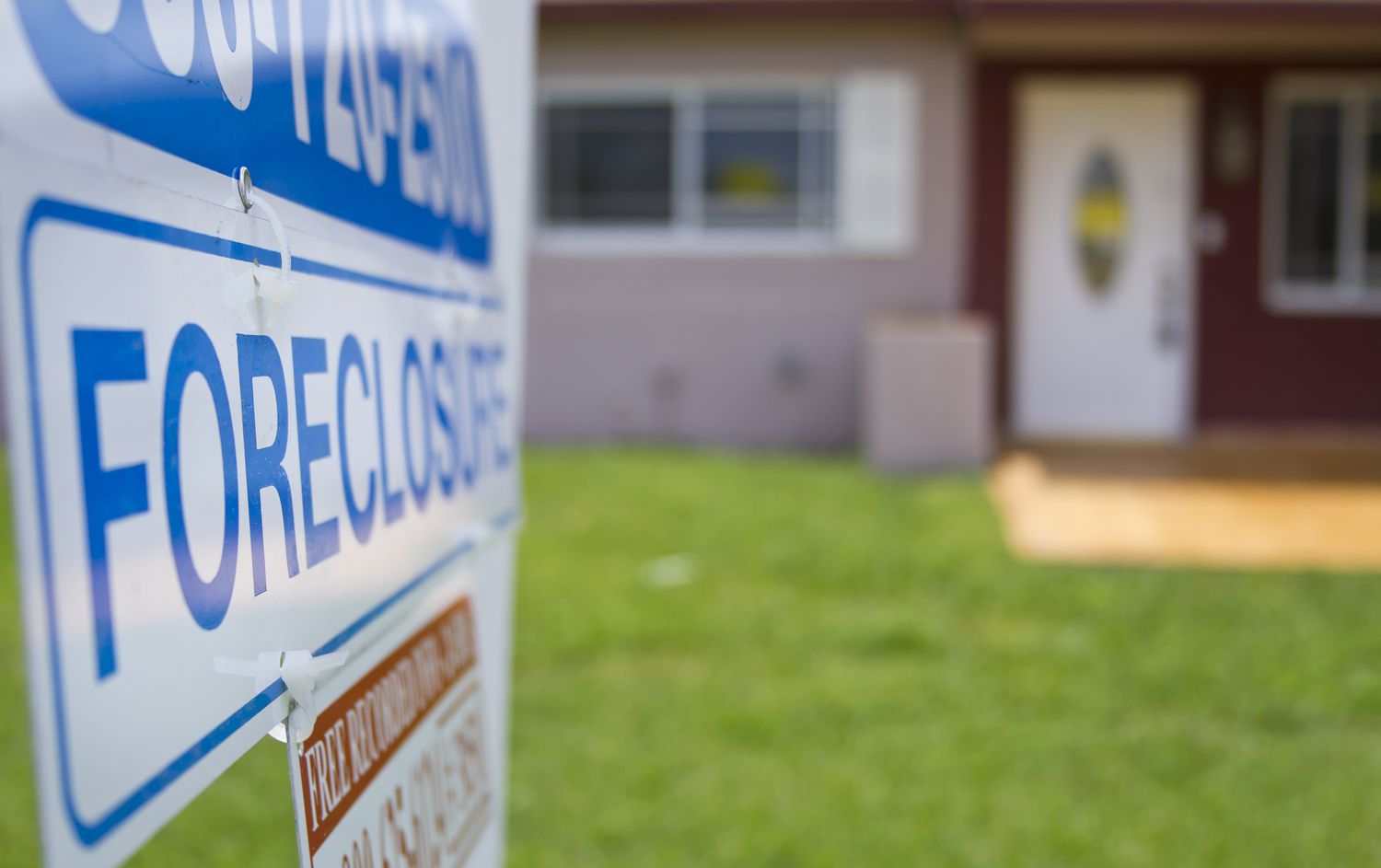
Foreclosure activity is rising across the country, but not necessarily for everyone.
Recent data shows that rising delinquencies and foreclosures in government-backed Federal Housing Administration loans are driving the increase. Analysts said this indicates a growing disparity between wealthy and lower-income homebuyers.
Nearly 12% of FHA borrowers in September were past due on mortgage payments, compared with 3.5% of all mortgage holders, according to data released by mortgage data firm Intercontinental Exchange. Meanwhile, foreclosure starts rose by 23% in the third quarter of 2025 compared with the same period a year ago, the data showed. Still, that’s 18% below the pre-pandemic foreclosure starts rate in the third quarter of 2019.
“You can very clearly see those delinquency rates trending higher. So [it’s] another indication of that K-shaped economy that we’re seeing play out in the broader U.S. economy,” said Andy Walden, head of mortgage and housing research at Intercontinental Exchange.
A “K-shaped” economic recovery occurs when one income group responds better to improving economic conditions than others, which can resemble the letter K when represented on a line graph. Some economists have described current economic conditions as a K-shaped recovery from the Covid pandemic, where higher-income earners are experiencing a quicker rebound than low-income earners.
Foreclosures Rising, Fueled by FHA Delinquencies
While FHA loans make up about 15% of active mortgages, they make up almost half of foreclosure starts in the most recent quarter, Intercontinental Exchange data showed. It’s part of a trend that reveals increasing payment problems for government home loan borrowers. The Mortgage Bankers Association also tracked a spike in FHA foreclosure activity in the 2025 third quarter.
“The stressors on FHA homeowners include a softer labor market, other personal debt obligations, and increases in taxes, homeowners’ insurance and other fees that exacerbate already stretched affordability,” Marina Walsh, Mortgage Bankers Association vice president of industry analysis, said in a release. “Additionally, home price declines in some parts of the country may lessen the ability to sell or refinance.”
FHA loans tend to be used by younger and low-to-moderate income homeowners, and are often utilized by first-time homebuyers for less expensive homes. The average credit score on FHA loans is 677, well below the 769 credit score of traditional bank loan mortgages.
What’s Driving Foreclosures Higher? Government-Backed Loans